Roads
Check closures, roadworks and mountain passes with Vegvesen.
Chapter 06 · Practical Information
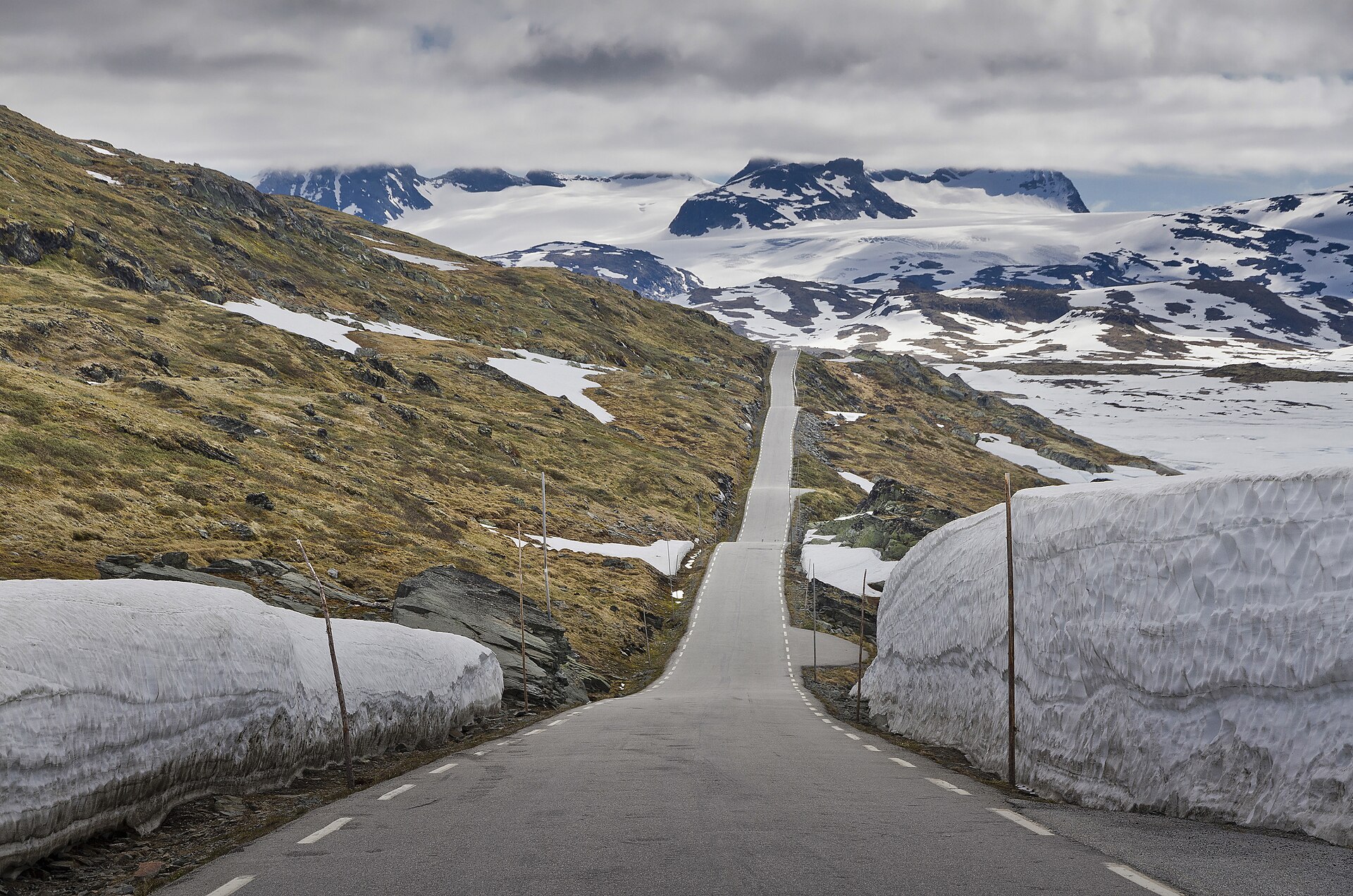
Norway's roads make driving an experience in itself. With a little preparation, narrow fjord roads, automatic tolls, domestic ferries and changing weather remain exciting parts of the journey rather than surprises.
Your daily five-minute routine
In Southern Norway, kilometres are not a reliable measure of driving time. A short distance can include tunnels, ferries, hairpins and many stops. Plan calmly — and check four things each evening for the next day.
Check closures, roadworks and mountain passes with Vegvesen.
Look at the whole day's route, not just your destination.
Check fuel or battery, range and the next realistic break.
Allow plenty of time for ferries, photo stops and narrow roads.
Drive calmly, see more
General limits are usually 50 km/h in built-up areas and 80 km/h outside them, unless signs state otherwise. Even that can feel too fast for a narrow fjord road. Signs, visibility and road conditions always take priority.
General guideline where no other limit is signed. Residential and urban streets often have lower limits.
General guideline without another sign — a much slower pace makes sense on many minor roads.
Dipped headlights or daytime running lights are compulsory even during the day. All occupants must wear seat belts.
Monotonous tunnels, rain and long stages are tiring. Stop early rather than forcing the schedule.
Use passing places proactively, do not block them for photographs, and expect buses, motorhomes, cyclists or sheep around bends. Whoever is nearer a passing place should help oncoming traffic pass.
Remove sunglasses, increase your following distance and prepare for changing light. Some tunnels are long, narrow or lead straight into a roundabout.
Pedestrians have priority. Be particularly attentive and defensive when turning and driving through towns.
Automatic tolls and road-network ferries
No toll booth, no stress
Norwegian toll stations operate automatically. A camera or transponder records the vehicle; without an agreement, the invoice arrives later via a billing service or, for hire cars, the rental company.
For a foreign private vehicle, you can set up an account or AutoPASS agreement in advance and register the details correctly. A valid transponder agreement gives tariff group 1 vehicles a discount at many toll stations. Electric-vehicle reductions depend on the route and operator — do not assume one price everywhere.
Enter the number plate, vehicle category and powertrain correctly. This supports accurate billing and any environmental or electric-vehicle tariffs.
Check how tolls and ferries are billed and what administration fee the rental company charges.
Many ferries record number plates or AutoPASS automatically. Drive aboard, follow instructions and never overtake between waiting vehicles.
Fuel and charging without range anxiety
Think about the next opportunity
Supplies are good along main routes. In valleys, the highlands and late in the evening, distances, opening hours and faulty chargers can still change the plan.
Do not run a petrol or diesel car down to its last reserve, and look for the next station early on remote stages. Unattended pumps often require a card with a PIN. For an electric car, plan an alternative charger and check connector type, power and payment options beforehand.
Official electric-car travel guideRefuel early before mountain and fjord stages. Keep a card and PIN ready; not every unattended station accepts every card.
Charging networks and payment methods vary. Set up key apps and accounts before departure and carry a physical payment card.
Ask your hotel, cabin provider or campsite in advance whether charging is available, can be reserved and costs extra. Never use a domestic socket without permission.
Cool temperatures, headwinds, roof boxes and long climbs increase consumption. Range forecasts help, but are not a guarantee.
Parking in cities and at trailheads
Read the sign before the app
Parking rules, fees and payment methods vary by municipality and operator. Always read the signs at the actual car park, even if an app suggests something else. Check your number plate, zone and parking duration before paying.
At popular hiking destinations, seasonal parking can fill early or require booking. Use designated spaces and shuttles. Verges, driveways, emergency access and passing places are not improvised parking spots.
Double-check the car park number and number plate before confirming.
Keep the receipt or app confirmation and check the terms before extending your stay.
Parking does not automatically permit overnight stays. Additional signs and local restrictions apply.
Do not park on soft ground, private tracks or vegetated areas.
Weather, closures and mountain passes
Plans are allowed to change
Coastal rain, fjord fog and snow on a mountain road can occur on the same day. Especially in spring and autumn, decisions should follow current road conditions, not just the calendar.
Statens vegvesen's traffic service shows closures, roadworks, convoy driving, webcams and the status of many mountain passes. The Vegvesen trafikk app can send notices along your route. Yr is a useful companion for forecasts.
You are responsible for ensuring that your tyres and vehicle suit actual road conditions. Summer tyres do not belong on wintry roads; when conditions are uncertain, turn back or wait.
Official tyre requirementsResponsible use of the right to roam
Freedom requires consideration
You may camp on uncultivated land if you keep your distance and respect nature and property. You must stay at least 150 metres from the nearest occupied house or cabin.
Without permission, the usual limit is two nights in one place; remote mountain regions have exceptions. Cultivated fields, working meadows, enclosed areas and private gardens are off limits. Take rubbish away, avoid noise and follow seasonal rules on open fires.
Official camping guidanceAt least this far from the nearest occupied house or cabin.
In the same place — except in remote mountain areas.
The right to roam does not automatically allow cars or motorhomes to park or stay overnight anywhere.
Cards, data and digital helpers
Card and mobile payments are very common in Norway. A physical Visa or Mastercard with a known PIN is still useful, as is a little cash in Norwegian kroner for exceptions. At the terminal, choose payment in NOK where possible and let your bank convert the amount.
Check foreign-use charges and limits before travelling. Keep a second card separately.
Currency & paymentsNorway is part of the EEA roaming area. Still check your tariff's fair-use rules and disable satellite networks on ferries.
EU roaming explainedDownload maps for your route beforehand. Tunnels, valleys and highlands can interrupt reception.
Vegvesen trafikk, Yr, AutoPASS and the charging or parking services on your route.
Health, breakdowns and emergencies
In immediate danger, first give your location, road or coordinates, then briefly explain what happened. The three emergency numbers are for genuine emergencies; for urgent medical help outside normal hours, call 116 117.
Carry your European Health Insurance Card and ID. Additional travel insurance is sensible because the card does not cover, for example, repatriation.
European Health Insurance CardSwitch on hazard lights, put on a high-visibility vest and wait behind the barrier or well away from traffic. Note your location, direction of travel and the nearest road or tunnel name.
Share your route and return time, carry enough battery power and turn back early if the weather changes. Rescue cannot replace suitable equipment and your own decisions.
Tick the boxes and set off
Save this page offline or take a screenshot before leaving. That keeps the essentials handy even without reception.
Photos and travel information
The photos in this chapter come from Wikimedia Commons under free Creative Commons licences and have been cropped and resized for the page layout. Traffic, toll, camping, health and roaming information was checked against official sources in August 2026.
Rules, charges, apps, timetables and road conditions can change. Check the linked official websites shortly before and during your trip.
All that remains is a realistic daily plan, some flexibility and the willingness to stop a little longer for a beautiful view.